In recent years, the vending machine business has gained significant popularity in India. With the country's growing economy and changing consumer behavior, vending machines offer a convenient and efficient way to access various products and services. This article explores the thriving vending machine industry in India, discussing its potential, benefits, challenges, and key considerations for starting a successful vending machine business.
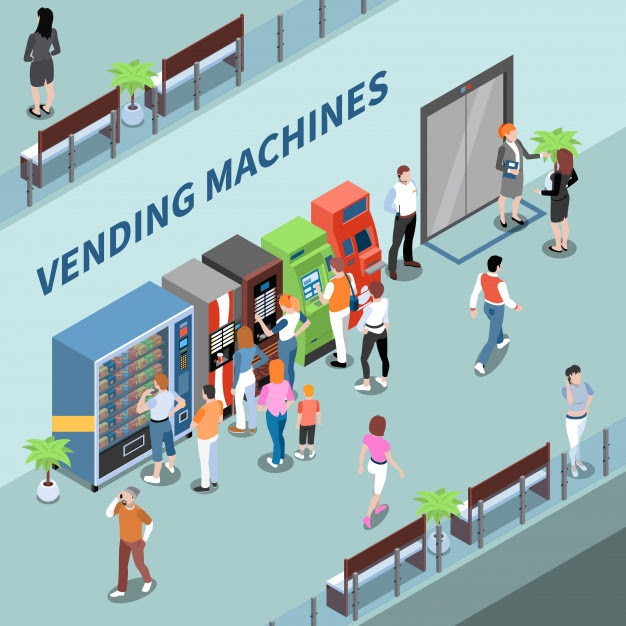
Understanding the Vending Machine Industry
The vending machine industry has come a long way in India. Initially, vending machines were primarily limited to dispensing snacks and beverages. However, with advancements in technology and changing consumer demands, vending machines now offer a wide range of products and services. From snacks and confectionery to health and wellness products, ATMs, and even ticket vending machines, the industry has witnessed significant diversification.
The market potential for vending machines in India is immense. With a large and growing population, increasing urbanization, and a rising middle class, there is a growing demand for convenient and accessible products. Vending machines offer a unique opportunity to tap into this market by providing round-the-clock availability and a hassle-free shopping experience.
Types of Vending Machines
In the vending machine business, there are various types of machines catering to different product categories. Food and beverage vending machines are among the most common, offering a wide range of snacks, drinks, and hot beverages. Snack and confectionery vending machines focus specifically on providing quick bites and sweet treats.
Health and wellness vending machines have gained popularity in recent years, offering nutritious snacks, protein bars, and other fitness-related products. Additionally, ATMs and ticket vending machines are essential for providing financial services and facilitating ticket purchases for transportation and events.
Advantages of Starting a Vending Machine Business
Starting a vending machine business in India comes with several advantages. First and foremost, it requires a relatively low initial investment compared to traditional brick-and-mortar businesses. The operational costs are also minimal, making it an attractive option for aspiring entrepreneurs.
One of the significant benefits of vending machines is their 24/7 availability and convenience. Customers can access products at any time, making it ideal for busy professionals, students, and people on the go. Moreover, vending machines offer a wide range of product offerings, catering to diverse consumer preferences.
Another advantage is the scalability and flexibility of the business. As the demand grows, it is easy to expand the number of machines or introduce new products to meet the evolving market needs.
Identifying Profitable Locations
Choosing the right location is crucial for the success of a vending machine business. High-traffic areas such as shopping malls, airports, railway stations, and busy streets are ideal for maximizing sales. Additionally, targeting specific venues like office complexes, educational institutions, hospitals, and healthcare facilities can provide a consistent customer base.
Choosing the Right Vending Machine
Selecting the appropriate vending machine is essential for meeting customer demands and ensuring operational efficiency. Different products have varying requirements, such as temperature control, storage capacity, and payment options. Evaluating machine features and specifications is necessary to make an informed decision. Moreover, considering factors like maintenance and service support is vital for long-term sustainability.
Procuring Products and Inventory Management
Establishing partnerships with reliable suppliers is crucial for maintaining a steady inventory of products. It is essential to source high-quality items that appeal to the target audience. Implementing effective inventory tracking systems and restocking strategies ensures that the vending machines are always well-stocked and ready to serve customers.
Legal and Regulatory Considerations
Operating a vending machine business in India requires complying with various legal and regulatory requirements. Obtaining necessary permits and licenses, especially those related to food safety and hygiene, is essential. Adhering to taxation and financial regulations is also crucial for a smooth operation.
Marketing and Promoting Your Vending Machine Business
Creating an appealing brand image is vital for attracting customers. Utilizing digital marketing strategies such as social media, online advertising, and search engine optimization can help increase visibility and reach a wider audience. Engaging with the target audience through promotions, discounts, and loyalty programs can foster customer loyalty and drive sales.
Managing Operations and Customer Service
Regular maintenance and servicing of vending machines are necessary to ensure their proper functioning. Technical issues should be addressed promptly to minimize downtime. Providing excellent customer support through clear communication channels and swift issue resolution enhances the overall customer experience.
Monitoring Performance and Tracking ROI
Analyzing sales data and trends is crucial for understanding the performance of the vending machine business. Evaluating profitability, tracking return on investment (ROI), and identifying areas for improvement are essential for long-term success. Expanding and diversifying product offerings based on market demands can further enhance profitability.
Conclusion
The vending machine business in India offers a promising opportunity for entrepreneurs looking to venture into a profitable and innovative industry. With its low initial investment, convenience, and scalability, it appeals to a wide range of aspiring business owners. By understanding the market, choosing the right locations and machines, managing inventory effectively, and providing excellent customer service, entrepreneurs can establish a successful vending machine business in India.
Comments
Post a Comment